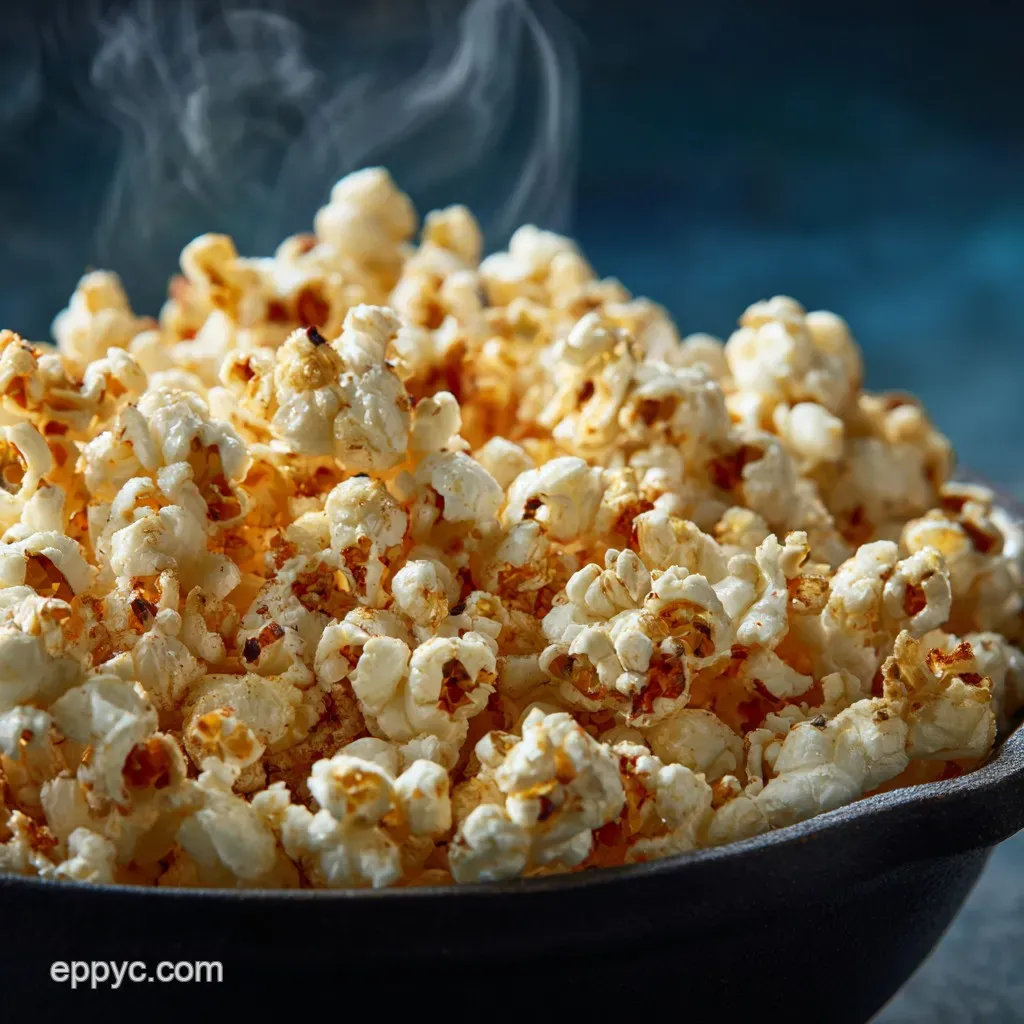
Master Stovetop Popcorn: Fluffy, Flavorful, & Never Burned
There’s something undeniably magical about a fresh batch of popcorn, its warm, buttery aroma filling the air. While microwave bags offer convenience, true popcorn aficionados know that nothing compares to the taste and texture of homemade stovetop popcorn. It's a culinary art form that transforms simple kernels into a glorious bowl of fluffy goodness, offering superior flavor, crunch, and even health benefits.
Forget the days of unpopped kernels and scorched batches. This comprehensive guide will unveil the secrets to mastering stovetop popcorn, ensuring every kernel bursts into tender perfection, leaving you with a snack that’s both satisfying and never burned. Get ready to elevate your snack game and experience popcorn as it was meant to be!
Why Stovetop Popcorn Reigns Supreme: Beyond the Bagged Snack
If you're still relying on microwave popcorn, prepare for a delicious awakening. Making popcorn from scratch on your stovetop isn't just a nostalgic nod; it's a superior method for several compelling reasons:
- Unmatched Flavor and Texture: The controlled heat of the stovetop allows kernels to reach an even temperature before popping, resulting in a crisp, wonderfully flavorful pop every single time. The texture is light, airy, and truly superior to the often chewy or stale consistency of microwave varieties.
- Healthier Choices: When you make stovetop popcorn, you control every ingredient. Opt for a healthy oil like extra virgin olive oil and season lightly with sea salt, and you have a naturally fiber-rich, whole-grain snack. A cup of lightly seasoned stovetop popcorn can be as low as 56 calories and 4 carbs, making it a guilt-free indulgence compared to heavily processed alternatives.
- Incredible Value: Popcorn kernels are incredibly inexpensive, especially when purchased in bulk. A single recipe, using just ½ cup of kernels, can yield a whopping 10-14 cups of popped popcorn – far more than a standard microwave bag, which typically provides around 4.5 cups. This makes homemade popcorn significantly more cost-effective in the long run.
- Minimal Waste: The key to perfect stovetop popcorn lies in the even heating technique described below. This method ensures almost every kernel pops, leaving behind very few frustrating "old maids" at the bottom of the pot.
- Pure Customization: From savory to sweet, the seasoning possibilities are endless. You're not stuck with pre-packaged flavors; you can craft a unique popcorn experience tailored precisely to your cravings.
The Essential Ingredients for Perfect Stovetop Popcorn
Crafting the perfect bowl of stovetop popcorn requires just a few key components. Understanding each one is vital to achieving flawless results.
Choosing Your Popcorn Kernels: Yellow vs. White
While often treated as interchangeable, there's a subtle difference between yellow and white kernels that can impact your final product:
- Yellow Kernels: These are the most common variety you'll find in grocery stores. They typically pop larger, with a sturdier, more "butterfly" flake that is wonderfully crisp and holds up well to butter and seasonings. They are less prone to crumbling.
- White Kernels: A bit harder to find, white kernels produce smaller, more delicate, and often fluffier popcorn. Their "hull" (the outer shell) is generally thinner than yellow kernels, resulting in a more tender eating experience.
Some enthusiasts even enjoy combining the two for a delightful mix of textures! Regardless of your choice, always ensure your kernels are fresh. Store them in an airtight container in a cool, dark pantry to maintain their popping power. For optimal results, aim for about ½ cup of kernels per batch, which is ideal for serving a small crowd.
The Right Oil for the Job
The oil you choose is critical, as it needs a high smoke point to prevent burning and impart desirable flavor. Here are excellent options:
- Vegetable Oil / Canola Oil: These are reliable, neutral-flavored choices with high smoke points, perfect for a classic popcorn taste without overpowering the kernels. Many seasoned home poppers, including myself, favor vegetable oil for its consistent results.
- Coconut Oil: If you crave that distinct, nostalgic movie theatre flavor, coconut oil is your go-to. It adds a subtle sweetness and a rich aroma that perfectly complements the popcorn, giving it that classic cinematic feel.
- Extra Virgin Olive Oil (EVOO): For a healthier and more sophisticated twist, EVOO works beautifully. It provides a unique, sometimes peppery or fruity note that can elevate your stovetop popcorn, especially when paired with Mediterranean-inspired seasonings.
For more detailed insights into selecting the best oils, kernels, and seasoning tips, explore our Stovetop Popcorn Guide: Best Oils, Kernels & Seasoning Tips.
Elevating with Seasoning
The beauty of homemade popcorn is the freedom to season it exactly how you like. While a simple sprinkle of fine-grain sea salt is always a winner, don't be afraid to experiment:
- Classic Savory: Beyond salt, try nutritional yeast for a cheesy flavor, garlic powder, onion powder, or a dash of smoked paprika for depth.
- Spicy Kick: A pinch of cayenne pepper, Aleppo pepper, or chili powder can add a delightful warmth.
- Sweet Treats: Sprinkle with cinnamon sugar for a sweet snack, or drizzle with melted chocolate. Popcorn also serves as a fantastic base for old-fashioned popcorn balls or rich caramel corn.
- Gourmet Blends: Experiment with unique spice mixes like Za'atar, which offers a bold, tangy, and slightly spicy Mediterranean profile, especially delicious with a touch of freshly grated lime zest.
Tip: Always season your popcorn immediately after it's popped and while it's still warm. This allows any residual oil to help the seasonings adhere better, ensuring every bite is flavorful.
Your Step-by-Step Guide to Fluffy, Never-Burned Stovetop Popcorn
Follow these simple steps, and you'll be enjoying perfect stovetop popcorn every time, without a single burned kernel in sight.
- Choose Your Pot: A heavy-bottomed pot with a tight-fitting lid is essential. A 3-4 quart capacity is ideal for ½ cup of kernels, allowing enough room for expansion. Stainless steel or cast iron works beautifully.
- Add Oil and Test Kernels: Pour 2-3 tablespoons of your chosen high-smoke-point oil into the pot. Add just 2-3 popcorn kernels. Cover the pot with the lid.
- Heat Gently: Place the pot over medium-high heat. Wait patiently for the test kernels to pop. This indicates your oil has reached the perfect temperature for popping.
- Add Remaining Kernels: Once the test kernels have popped, immediately remove the pot from the heat. Carefully add the remaining ½ cup of kernels to the hot oil. Give the pot a gentle shake to coat all the kernels thoroughly in oil, then redistribute them in a single layer. Recover the pot.
- The Resting Phase (The Secret!): Let the pot sit off the heat for 30-60 seconds. This crucial step allows the kernels to come to an even temperature without prematurely popping or burning. It's the key to minimizing unpopped kernels and achieving consistent, fluffy results.
- Return to Heat & Pop: Place the pot back over medium-high heat. Now, gently shake the pot back and forth continuously (or every few seconds) to keep the kernels moving and prevent scorching on the bottom.
- Listen and Remove: As the popping intensifies, the sound will quicken. Once the popping slows to several seconds between pops (typically 2-3 seconds), immediately remove the pot from the heat. Even if there are still a few kernels that haven't popped, continuing to heat will risk burning the popped corn, ruining the entire batch.
- Season Immediately: Pour the hot popcorn into a large bowl. Drizzle with a little more oil (if desired for richer flavor or to help seasoning stick) and sprinkle generously with salt and your chosen seasonings while the popcorn is still warm. Toss well to distribute thoroughly.
Pro Tip: Don't lift the lid too early! Steam trapped inside helps create tender popcorn. A slight crack can be fine to release a little steam and maintain crispness once the popping slows, but keep it mostly covered to prevent flying kernels.
Storing Leftovers & Creative Popcorn Ideas
While fresh popcorn is always best, sometimes you have leftovers. Store any unseasoned homemade popcorn in an airtight container at room temperature. It can stay fresh for 1 to 2 weeks. For extra longevity and to lock in moisture, you can even place a piece of cling wrap directly over the popcorn before securing the lid, creating an even tighter seal.
Beyond simple snacking, stovetop popcorn is a versatile base for culinary creativity:
- Popcorn Balls: A nostalgic treat, these sticky, sweet confections are always a hit at parties or as a fun family activity.
- Caramel Corn: A homemade batch of rich, buttery caramel corn far surpasses store-bought versions in both flavor and texture.
- Savory Mixes: Combine popcorn with pretzels, nuts, and a savory spice blend (like ranch or taco seasoning) for a homemade snack mix that's infinitely customizable.
- Dessert Topping: Crush lightly salted popcorn and sprinkle it over ice cream, yogurt parfaits, or even brownies for a delightful crunchy, salty-sweet contrast.
Conclusion: Embrace the Art of Stovetop Popcorn
Mastering stovetop popcorn is more than just learning a recipe; it's about embracing a simple, wholesome, and incredibly rewarding cooking technique. By understanding the nuances of kernels, oils, and the perfect popping method, you'll consistently create fluffy, flavorful, and never-burned popcorn that will quickly become a household favorite. So, grab your pot, your kernels, and get ready to enjoy the ultimate snack experience – fresh, homemade, and perfectly popped every single time.
