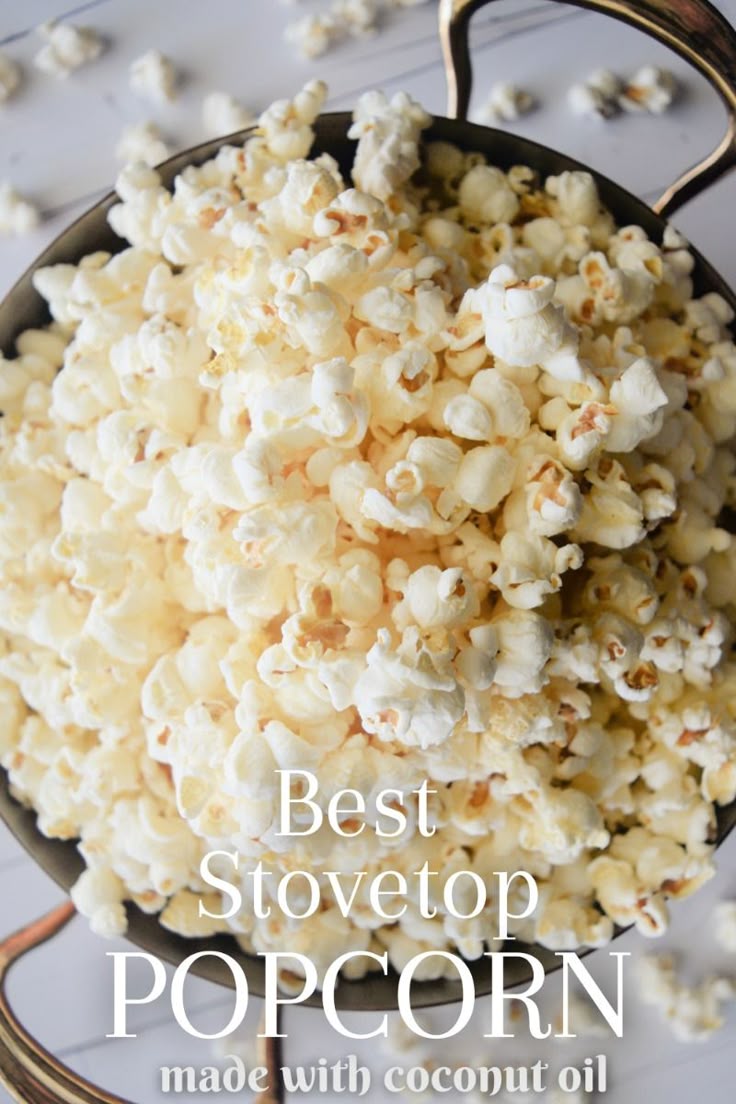
In a world of convenience foods, the humble act of making popcorn from scratch often gets overlooked. Yet, there’s a quiet revolution brewing in kitchens everywhere: the return of homemade stovetop popcorn. Forget the microwave bags laden with questionable ingredients and artificial flavors. Embrace the simple, satisfying, and utterly delicious method of popping kernels on your stovetop, and discover a snack that’s not only healthier and cheaper but undeniably tastes better.
For many, popcorn is a nightly ritual, a comforting crunch that perfectly accompanies a movie or a quiet evening. While pre-packaged options offer speed, they often fall short in flavor, texture, and nutritional value. The traditional stovetop method, however, transforms simple kernels into a magnificent bowl of perfectly puffed, crisp, and flavorful popcorn, with almost every kernel accounted for and not a single burnt piece in sight.
Why Stovetop Popcorn Reigns Supreme: Health, Savings, and Unrivaled Taste
The allure of stovetop popcorn extends far beyond nostalgia; it offers tangible benefits that modern snack options simply can't match. When you opt for homemade, you're choosing a superior snack experience on multiple fronts.
A Healthier Snack Choice
One of the most compelling reasons to switch to homemade popcorn is the significant health advantage. Microwave popcorn bags often contain a cocktail of additives, artificial flavors, and unhealthy trans fats. When you make popcorn on the stove, you have complete control over every ingredient. You choose the oil, the amount of salt, and any additional seasonings, allowing for a much cleaner and healthier snack.
- Calorie-Conscious: Air-popped or lightly oiled stovetop popcorn is surprisingly light. For instance, just one cup of popped popcorn can contain as few as 56 calories and only 4 carbohydrates, making it an excellent choice for those mindful of their intake.
- Fiber-Rich: Popcorn is a whole grain, packed with dietary fiber that aids digestion and helps you feel fuller for longer.
- Smart Oil Choices: Unlike the often-unhealthy fats found in pre-packaged popcorn, you can select oils known for their health benefits, such as extra virgin olive oil, which adds a wonderful flavor profile and healthy monounsaturated fats.
Unbeatable Cost Savings
Beyond health, the economic benefits of making popcorn at home are substantial. A bag of microwave popcorn might seem inexpensive initially, but the cost per serving quickly adds up. A small bag typically yields around 4.5 cups of popped popcorn. In stark contrast, just half a cup of unpopped kernels, which costs mere pennies, can explode into a generous 10 to 14 cups of delicious stovetop popcorn.
Over time, these savings accumulate, making homemade popcorn a remarkably budget-friendly snack for families and individuals alike. It's a smart financial choice that doesn't compromise on quality or satisfaction.
Superior Taste and Texture
Perhaps the most immediate and satisfying benefit is the unparalleled taste and texture of freshly made stovetop popcorn. The magic lies in the method: kernels reach an even temperature before popping, ensuring that almost every single kernel bursts open simultaneously. This results in a consistently crisp, wonderfully tender, and never-burnt batch of popcorn, with minimal unpopped kernels at the bottom of the bowl.
This uniform popping creates a texture that simply cannot be replicated by microwave methods, which often yield a mix of burnt, chewy, and under-popped kernels. The freshness and superior popping technique combine to produce a snack that is light, airy, and bursting with natural flavor.
Mastering the Art of Stovetop Popcorn: A Step-by-Step Guide
Creating perfect stovetop popcorn might sound intimidating to the uninitiated, but it's a surprisingly simple process that, once mastered, you'll never abandon. The key lies in understanding a few fundamental principles.
Essential Ingredients & Equipment
- Popcorn Kernels: Good quality, fresh kernels are paramount. Half a cup is usually sufficient for a substantial batch (10-14 cups).
- High Smoke Point Oil: Vegetable oil, canola oil, and coconut oil are excellent choices. Olive oil also works beautifully and adds a healthy touch. Avoid butter during the popping stage, as its low smoke point can lead to burning.
- Salt: Kosher salt or fine-grained sea salt are ideal for even distribution.
- Heavy-Bottomed Pot with a Lid: A 3-4 quart pot is perfect for ½ cup of kernels, providing ample space for expansion without overcrowding.
The Foolproof Popping Method
- Prepare Your Pot: Place your heavy-bottomed pot over medium-high heat. Add 2-3 tablespoons of your chosen oil to the pot. Swirl to coat the bottom.
- The Test Kernel Trick: Add just 2-3 popcorn kernels to the oil. Cover the pot and wait for these kernels to pop. This crucial step ensures the oil reaches the perfect temperature before you add the rest, preventing burning and promoting even popping.
- Add the Rest: Once your test kernels have popped, remove the pot from the heat briefly. Add the remaining ½ cup of popcorn kernels, ensuring they form a single layer. Give the pot a gentle shake to coat all kernels in oil.
- Pop Away: Return the pot to medium-high heat, cover it securely with the lid. The magic will begin quickly. As popping intensifies, gently shake the pot every 10-15 seconds to prevent kernels from sticking and burning. A slight crack in the lid can help vent steam, resulting in crispier popcorn.
- Listen and Remove: Continue popping until the sounds slow down to about 2-3 seconds between pops. Immediately remove the pot from the heat and transfer the popcorn to a large bowl. Leaving it in the hot pot will lead to burning.
For more in-depth techniques and troubleshooting tips to ensure your popcorn is always fluffy, flavorful, and never burned, explore our comprehensive guide: Master Stovetop Popcorn: Fluffy, Flavorful, & Never Burned.
Unlocking Flavor: Oils, Kernels, and Creative Seasonings
While the basic act of popping kernels is simple, the true artistry of stovetop popcorn lies in your choices of oil, kernel type, and, of course, the imaginative world of seasonings.
Choosing Your Oil Wisely
The oil you use contributes significantly to the flavor and health profile of your popcorn. As mentioned, high smoke point oils are essential to prevent burning.
- Vegetable or Canola Oil: These are go-to choices for their neutral flavor and high smoke points, allowing the natural popcorn taste to shine.
- Coconut Oil: If you crave that nostalgic movie theater taste, coconut oil is your secret weapon. It imparts a subtle sweetness and richness that's incredibly satisfying.
- Olive Oil: For a healthier twist, especially extra virgin olive oil, it not only works well but also infuses a Mediterranean aroma. A drizzle of EVOO after popping, combined with salt, is a simple yet exquisite way to finish your snack.
Understanding Kernel Varieties
Did you know not all popcorn kernels are created equal? The subtle differences between kernel types can lead to distinct textures:
- Yellow Kernels: These are the most common type, yielding crisp popcorn with a sturdier flake. They tend to be larger and hold up well to various seasonings.
- White Kernels: Less common but prized for their tenderness, white kernels pop into slightly smaller, fluffier popcorn. They are often described as having a more delicate texture.
Some popcorn enthusiasts enjoy combining both yellow and white kernels for a delightful mix of textures in every bite. Regardless of your choice, always ensure your kernels are fresh and stored in an airtight container in a cool, dark place to maintain their popping power.
Beyond Salt: The World of Seasonings
Once your popcorn is popped and transferred to a bowl, the real fun begins. A simple sprinkle of kosher salt is often all you need, especially if you've drizzled a bit of fresh EVOO over the warm kernels. However, the possibilities for flavor innovation are endless:
- The Mediterranean Twist: Inspired by our reference, try a bold combination of za'atar, Aleppo pepper, and a generous sprinkle of grated lime zest. This creates an addictive, tangy, and subtly spicy profile.
- Cheesy & Savory: Nutritional yeast (for a dairy-free cheesy flavor), garlic powder, onion powder, smoked paprika, or a blend of dried herbs like oregano and basil.
- Sweet Treats: Cinnamon sugar, a drizzle of melted chocolate, or even a homemade caramel sauce can transform your popcorn into a decadent dessert.
For an exhaustive exploration of the best oils, kernel varieties, and a treasure trove of seasoning ideas, be sure to consult our dedicated guide: Stovetop Popcorn Guide: Best Oils, Kernels & Seasoning Tips.
Beyond the Bowl: Storing Leftovers and Creative Uses
While fresh stovetop popcorn is undoubtedly at its peak right after popping, sometimes you'll find yourself with a surplus. Don't let it go to waste!
Proper Storage for Freshness
Store any leftover homemade popcorn in an airtight container at room temperature. Properly sealed, it can maintain its freshness for 1 to 2 weeks. For an extra layer of protection against moisture, you can even place a piece of cling wrap directly over the popcorn before sealing the lid. This helps lock in that desired crispness.
Creative Culinary Applications
Popcorn isn't just for snacking; its versatile texture and mild flavor make it an excellent ingredient for other dishes:
- Old-Fashioned Popcorn Balls: A classic treat, perfect for parties or holiday gatherings.
- Caramel Corn: A richer, sweeter indulgence that showcases the popcorn's crunchy texture.
- Popcorn Trail Mix: Combine with nuts, seeds, dried fruit, and a few chocolate chips for a wholesome and satisfying snack mix.
- Textural Topping: Crumbled popcorn can add a delightful crunch to salads, soups, or even yogurt parfaits.
- Popcorn Bark: Melt chocolate, spread it thin, sprinkle popcorn and other toppings (nuts, sprinkles), then chill and break into pieces.
Conclusion
Stepping away from the microwave and embracing the art of homemade stovetop popcorn is more than just a culinary choice; it's a commitment to a healthier, more economical, and infinitely more delicious snacking experience. From the satisfying sizzle of kernels in the pot to the moment you pour a steaming, fluffy mountain into your bowl, the process is simple, rewarding, and deeply satisfying. With control over ingredients, incredible cost savings, and a taste that far surpasses any pre-packaged alternative, there's no reason not to make stovetop popcorn a staple in your home. Go on, grab your kernels, and discover the pure joy of perfectly popped perfection!
